

Small Ships, Big Days: Why Adventure Cruises Are 2026's Favourite Way to Travel
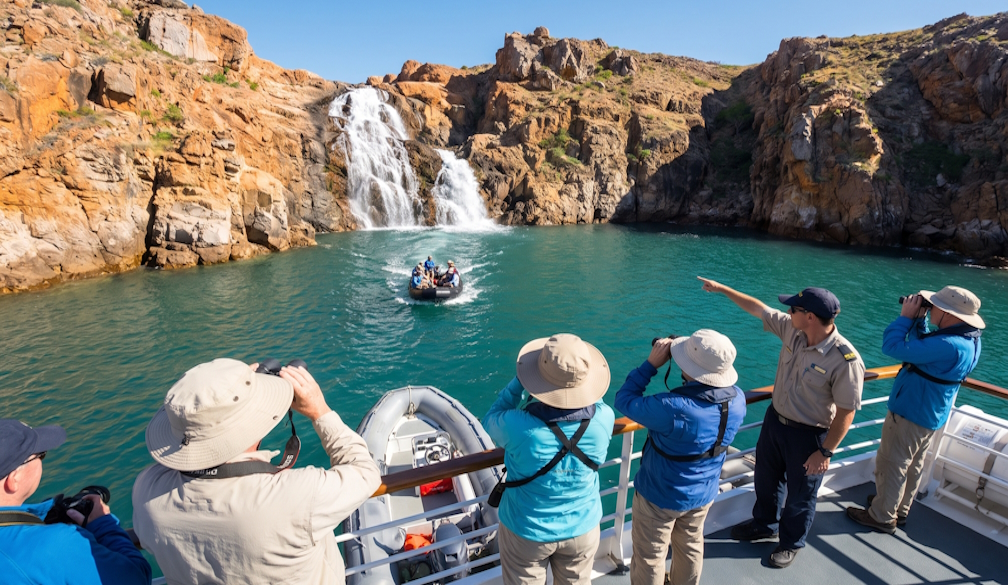
Scroll through anyone's travel photos this year and you'll notice a shift. Fewer pool decks and buffet queues. More tenders nosing into red-rock gorges, reef flats rising out of the sea at low tide, and a handful of people on a beach nobody else can reach. Australians are swapping scale for access, and adventure cruises are where that shift has landed.
It isn't a fad built on a hashtag. It comes from a simple change in what people want from time away: fewer boxes ticked, more days that feel like they actually happened. Here's what's driving the trend, where it's taking travellers, and how to pick a trip that lives up to the photos.
What actually counts as an adventure cruise?
The term gets stretched, so it helps to pin it down. An adventure cruise, sometimes called an expedition cruise, is built around what you do off the ship rather than what's on it. A few markers separate the real thing from a regular cruise with an excursion desk:
- Small guest numbers. Dozens of guests rather than thousands, which changes everything from shore landings to dinner conversation.
- A ship designed for access. A shallow draft and a fleet of tenders let small vessels reach rivers, bays and reefs that big ships have to sail past.
- Days shaped by activity. Walks, fishing, wildlife spotting, swimming holes, cultural visits and scenic flights, rather than long sea days.
- Flexible plans. Tides, weather and wildlife set the schedule, and good cruise companies say so upfront.
That last point matters. An adventure cruise is not a timetable. It's a direction of travel with room to move.
The trends pushing travellers toward small ships
Several of this year's bigger travel trends point the same way.
Quiet luxury. Luxury used to mean marble and chandeliers. Now it often means the things money can't easily buy: space, silence, expert guides and somewhere genuinely hard to get to. A small ship anchored alone in a remote bay ticks every box without announcing itself.
The digital detox that happens on its own. Plenty of travellers say they want to unplug, and few manage it. On a remote coastline, connectivity is often patchy, and many guests find that's the point. The phone stays in the cabin and the day fills up anyway.
Fewer, bigger trips. Rather than three short getaways, many Australians are saving for one significant journey with a story attached. Adventure cruising suits that thinking: a week or two covering country you'd struggle to see any other way.
Experiences over itineraries. Travellers increasingly judge a holiday by what they did, not how many places they passed through. Activity-based days deliver exactly that.
Where Australians are heading
You don't need to fly halfway around the world for this kind of trip. Some of the most sought-after adventure cruising sits on our doorstep or close to it.
- The Kimberley, WA. A vast, rugged coastline of waterfalls, tidal reefs, river systems and ancient rock art, much of it reachable only by water.
- The Great Barrier Reef. Small ships can work outer and ribbon reefs away from the day-trip crowds.
- Raja Ampat, Indonesia. A scattered archipelago off West Papua, prized by divers and snorkellers for its reefs.
- Papua New Guinea. The Sepik River and the islands of Melanesia, where the cultural encounters are as strong a draw as the scenery.
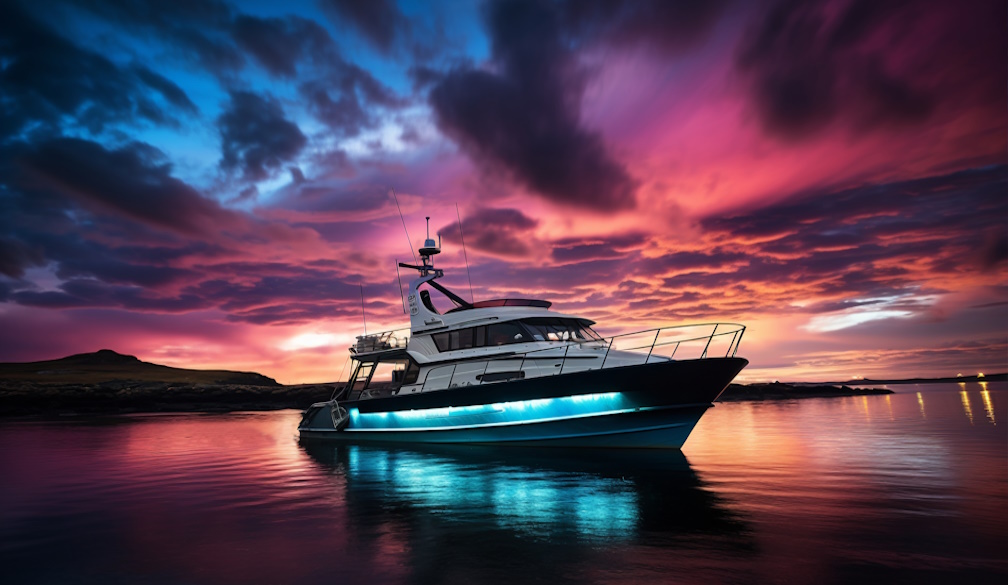
True North Adventure Cruises is one Australian cruise company working these waters, running purpose-built small ships across the Kimberley, the Australian coast, Indonesia and Papua New Guinea. Its flagship, the True North, carries 36 guests across 18 cabins, along with a fleet of adventure boats and its own helicopter for scenic flights on selected itineraries. When you're comparing adventure cruises, a setup like that is a useful benchmark for what "small ship" really means.
How to choose the right adventure cruise
The category is broad, so a few questions will narrow it quickly.
How many guests are on board? Thirty-odd guests and two hundred guests are very different trips. Smaller numbers usually mean more time ashore and shorter waits for the tenders.
What's included, and on which itinerary? Read the inclusions carefully. Helicopter flights, alcoholic drinks, visitor fees and specialist gear are treated differently from one cruise line to the next, and sometimes between itineraries too.
How active do you want to be? Some trips involve wet landings, rocky walks and heat. Others are gentler. Ask how activities are graded and whether there are easier options each day.
When are you going? Seasons make or break these trips. In northern Australia, cruising runs through the dry season, while international programmes shift around the calendar to match local conditions.
How flexible is the plan? A sample itinerary is a guide, not a promise. Ask how often plans change and how the crew decides where to go each day.
What a day actually looks like
Most adventure cruise days follow a loose rhythm. An early start catches the cooler hours, often with a tender run up a river or a walk to a lookout before breakfast. Late morning might bring fishing, a swim in a waterfall pool or a guided visit to a rock art site. The ship repositions over lunch. Afternoons are for another landing, a scenic flight, or simply reading on deck while the coastline slides past.
Evenings are when small-ship travel shows its hand. Dinner is shared with a few dozen people who've had the same day, and the conversation tends to run long.
The takeaway
Adventure cruising has grown because it answers what many travellers are now asking for: genuine access, real activity and the kind of quiet that's hard to find on land. The best trips are honest about what they can't control, from tides to wildlife to weather, and that honesty is part of the appeal.
If you're weighing up your next big journey, look past the brochure photos. Ask how many people will be on board, what each day involves and where the ship can actually go. Get those answers right and the photos will take care of themselves.